
Vic Motorcycle Wreckers · Derrimut, Melbourne
Chasing a part for your Honda XR200? Tell us the make, model and year and we will check what is on the shelf and in the yard.
Tell us about your bike and we’ll get straight back to you.
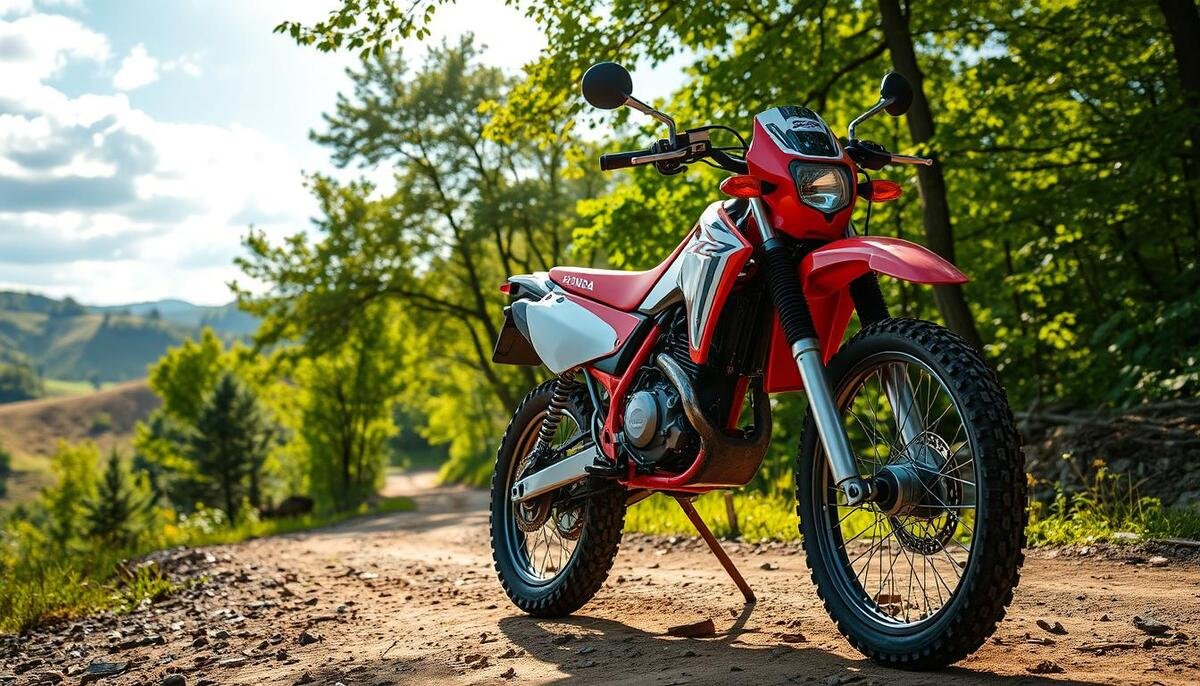
Honda XR200: Specs, History & Used Parts in Australia
For decades, a certain legendary off-road motorcycle has carved its reputation across Australian bush trails. This machine earned its stripes through simple, reliable performance. It became a favourite for riders seeking a genuine trail bike without modern complexities.
The model’s story began in 1980, evolving from its predecessor with a larger 195cc engine. A major redesign in 1986 solidified its classic two-valve configuration. Production continued through 2002, making it one of the brand’s longest-running off-road models.
Its appeal in Australia is undeniable. This bike perfectly bridges the gap for beginners and experienced riders alike. It’s a versatile choice for station work, recreational riding, and tackling tough terrain.
This review dives deep into the enduring legacy of the Honda XR200. We’ll examine its engineering, riding feel, and what to look for in a used model. It’s the perfect resource for anyone considering this iconic trail bike.
Honda XR200 Key Takeaways
- A legendary and reliable off-road motorcycle with a decades-long history.
- Evolved from a previous model in 1980 with a larger 195cc engine.
- Particularly well-suited for Australian trail riding and station work.
- Ideal for beginners, shorter riders, and those wanting a simple, capable bike.
- Remains a popular and relevant choice in the second-hand market.
- This guide helps prospective buyers understand its features and common issues.
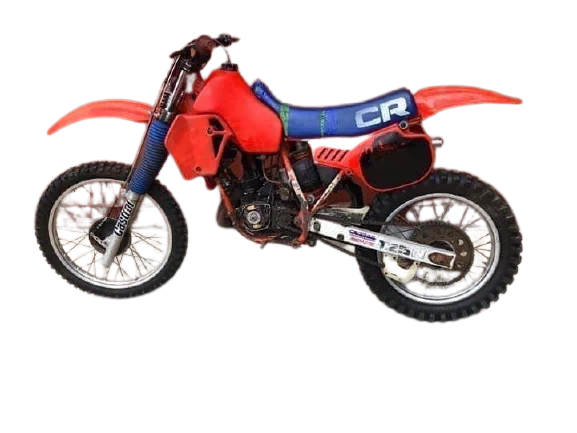
Overview of the XR200 Off-Road Legacy
The XR200’s journey began not as a new creation, but as a thoughtful evolution of a beloved platform. Listeners wanted more torque from the nimble XR185. The answer arrived in 1980 with a bored-out 195cc engine.
Historical Background and Model Evolution
That first model packed a 19 bhp punch. It featured a six-speed gearbox and weighed just 234 pounds. A low seat height under 34 inches welcomed riders of all sizes.
A pivotal moment came in 1986. The brand admitted its complex four-valve engines were a misstep. They returned to a simpler, lighter two-valve design that became the definitive version.
Production spanned over two decades with key changes. Lights were standard until 1988. A hiatus occurred in 1989 and 1992. By 1993, shorter suspension travel shifted its focus firmly to trail riding.
The XR200’s Enduring Appeal in Australia
This machine found a perfect home in Australia. Its modest power was ideal for diverse conditions. It handled tight bush trails and demanding station work with equal ease.
Affordability and a reputation for bulletproof reliability were key. These bikes introduced generations to four-stroke off-road riding. That legacy still shapes the used bike market today.
Honda XR200: Advanced Engineering and Design
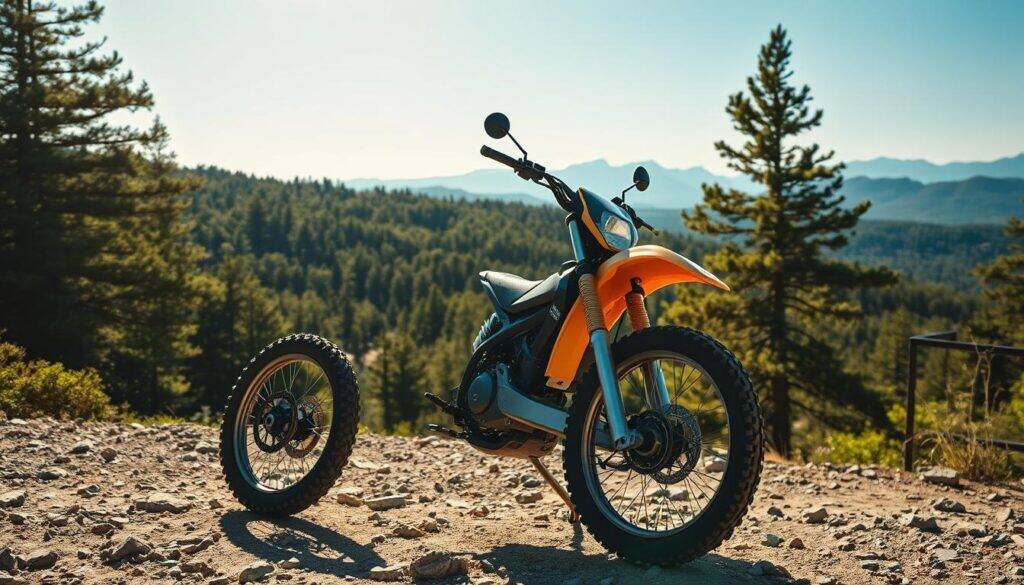
The engineering philosophy behind this enduring off-road model prioritised reliability and usability over outright performance. Every component was designed to work harmoniously in demanding Australian conditions.
Engine Performance and Power Characteristics
The 195cc air-cooled engine delivers a modest 19 bhp, focusing on tractable power rather than peak numbers. Conservative camshaft timing creates a broad, flat torque curve that’s accessible to riders of all skill levels.
A six-speed transmission features revised gearing to handle the increased torque. The close-ratio box provides excellent flexibility for technical trail riding across varied terrain.
Frame, Suspension and Build Quality
The frame combines stamped steel components with tubular sections for strength and reasonable weight. This construction method achieved production economy while maintaining necessary rigidity.
Front suspension uses 31mm Showa forks with 8.5 inches of travel, while the rear features canted shocks with 7.5 inches. The single progressive spring design offers predictable performance across different loads.
Build quality includes practical features like an aluminium skid plate and durable plastic fenders. These elements provide realistic protection for Australian bush riding conditions.
Riding Experience and Suspension Review
On the trail, the compact dimensions translate into remarkable agility that belies its age. This bike feels immediately familiar and confidence-inspiring from the first ride.
Off-Road Handling and Agility Insights
The 52-inch wheelbase creates incredibly quick steering response. Riders can flick the machine through tight technical sections with minimal effort.
Low centre of gravity contributes to this flickable nature. The bike changes direction effortlessly on confined trails.
Shorter riders particularly benefit from the sub-34-inch seat height. Secure ground contact builds confidence on side slopes and rocky terrain.
Braking, Traction and Suspension Performance
The engine delivers power predictably across the rev range. This puts available horsepower to the ground without intimidating surges.
Suspension travel of 8.5 inches front and 7.5 inches rear handles trail riding excellently. However, it can bottom during high-speed cross-country use.
Drum brakes provide adequate stopping power in most conditions. They lack modern disc brake feel but function reliably when properly adjusted.
Real-world considerations include an 80-100 mile fuel range. Cold starts require patience during warm-up, but the transmission works smoothly once moving.

Maintenance, Upgrades and Customisation Insights
The used market for these durable trail bikes often reveals machines that have seen varied levels of care. Many examples show signs of neglect, making careful evaluation essential for potential buyers.
DIY Maintenance and Tuning Tips
Proper kickstart adjustment is crucial for easy starting. When correctly set up, these four-strokes fire up with minimal effort. However, ratchet slipping requires extensive engine work to fix.
Watch for exhaust smoke indicating worn rings or valves. Fortunately, engine rebuilds remain affordable for these simple motors. Regular oil changes and air filter cleaning prevent most major issues.
Shift mechanism problems often stem from crash damage to the lever. The rear drum brake can drag if adjusted too tightly during suspension compression.
Aftermarket Parts and Customisation Options
Performance modifications should be approached cautiously. Loud exhaust systems rarely provide real benefits. The ATC200X muffler insert offers a better balance of sound and power.
For dusty Australian conditions, Uni Filter’s larger assembly improves air filtration significantly. This addresses the stock filter’s limited capacity.
Suspension upgrades are popular among enthusiasts. The front end from 1984-1985 XR250R models bolts directly on, providing larger forks and disc brakes. Later short-travel bikes can accept earlier suspension components with proper linkage.
Lighting kits from Baja Designs add functionality to models without stock lights. Quality used parts often provide better value than new aftermarket components for common wear items.
Conclusion: The XR200’s Place in Australian Off-Road Riding
Decades after production ceased, this trail bike continues to deliver unmatched value for Australian riders. Its simple, reliable design remains perfectly suited to our unique bush conditions.
The machine’s modest power output is remarkably usable. Every bit of horsepower reaches the ground effectively through the six-speed gearbox. This creates a package that’s ideal for developing skills.
While suspension travel and outright power have limitations, these are acceptable trade-offs. The light weight and low seat height provide advantages that modern bikes often lack.
For buyers, clean examples represent rare opportunities to own a mechanically sound trail bike. Well-maintained units offer enjoyable riding without modern complexity.
This bike’s legacy as an entry-level favourite endures. It introduced countless riders to four-stroke trail riding and remains a practical choice for Australian conditions.
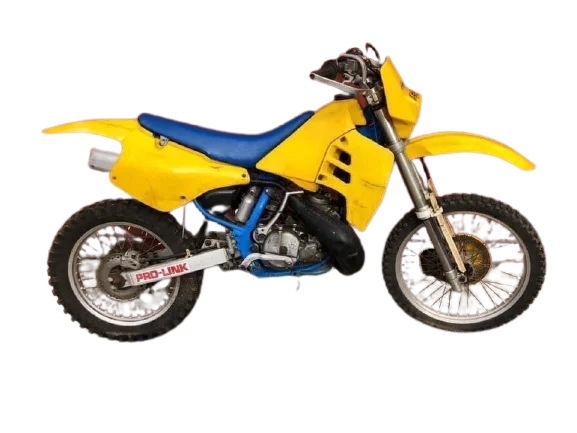
Honda XR200 FAQs
What is the engine like on the XR200?
The motor is a reliable four-stroke single. It offers smooth, tractable power ideal for trail riding. It’s not built for high-speed racing but excels in low-end torque for tricky terrain.
How does the suspension handle rough ground?
The bike’s suspension is simple and effective. It soaks up bumps well for general trail use. For very aggressive riding, some riders upgrade the springs or damping for better performance.
Is it a good choice for beginner riders?
Absolutely. Its manageable power, light weight, and predictable handling make it a fantastic bike to learn on. It’s forgiving and builds confidence off-road.
Are parts easy to find in Australia?
Yes, thanks to its long production run and popularity. Genuine components and aftermarket parts are widely available from dealers and specialist suppliers.
What are common upgrades for this model?
Popular improvements include fitting a more aggressive set of tyres for better grip. Some also look at exhaust systems and jetting kits for a bit more power. Suspension tweaks are common for heavier riders.
How does it perform on long-distance trail travel?
It’s a capable and economical companion for bush exploration. The comfortable seat and low fuel consumption are great for all-day adventures. Just be mindful of its smaller fuel tank on remote trips.