Vic Motorcycle Wreckers · Derrimut, Melbourne
Chasing a part for your Honda XR650? Tell us the make, model and year and we will check what is on the shelf and in the yard.
Tell us about your bike and we’ll get straight back to you.
Honda XR650: Specs, History & Used Parts in Australia
Most bikes get a rework every few years. The Honda XR650L has barely changed in over thirty. If you would rather have something that just works than something full of gadgets, that is the whole appeal.
The trick is how simple it is. While everyone else moved to water cooling and fuel injection, this one kept an air-cooled motor and a carby. It suits riders who want a bike that will not let them down a long way from home.
We have run these over thousands of kilometres here, from town riding to outback tracks. Here is what we found.
This guide covers the lot: how it goes on the road, how it goes in the dirt, what it needs, and what people change on them. Knowing where the bike came from helps explain why people still buy them.
Honda XR650 Key Takeaways
- The XR650L has kept the same basic design for over 30 years
- Simple, proven gear means it holds up well
- It works in most Aussie conditions, road or dirt
- Good buying next to a new bike
- Suits new riders and old hands alike
- Not much on it to go wrong, and easy to work on
- It has been tested hard on all sorts of ground
Where the Honda XR650 Came From
Most bikes get changed every couple of years. This one did not. Thirty years on, it is still much the same bike.
From 1993 to Today
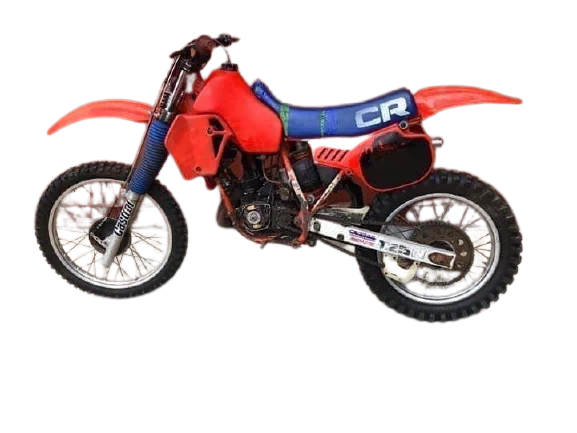
It turned up in 1993 as a road-legal version of a well known dirt racer. Riders had been asking for it for years. There were a few other dual-sport bikes about at the time, so the timing was right.
What makes it stand out is thirty years of build with barely a change. Everyone else went to water cooling and fuel injection. Honda left it air-cooled with a carby. Nothing else in the game has run that long unchanged.
| Year | Key Event | Significance |
|---|---|---|
| 1983-1987 | Popular predecessor model production | Created demand for modern replacement |
| 1993 | Model introduction | Answered community calls for street-legal version |
| 1993-Present | Continuous production | 30+ years with only minor updates |
| Throughout | Racing heritage influence | Proven components from desert racing success |
Why Riders Still Want Them
The racing background gave it good geometry and good parts. That is why it works so well off road. It got a name for being tough, and it kept it.
Parts are easy to get, because Honda kept building the same bike. You can fix one just about anywhere. That matters if you like doing your own work.
Some designs just get it right the first time. When a bike does what riders need and keeps doing it, there is no reason to change it.
Design and Build
You can see the build quality all over this bike, from the frame to the road gear. Every bit of it has a job to do.
Frame and Looks
It uses a single backbone frame with a semi-double cradle. It is strong without being silly heavy. It is about 5kg heavier than a race bike, but the frame is built to take a beating.
The subframe joint is cold rolled and wants bracing if you ride it hard. Honda made it easy to pull off, though: it is just Allen bolts.
| Component | Specification | Impact on Performance |
|---|---|---|
| Frame Design | Single backbone semi-double-cradle | Excellent strength-to-weight ratio |
| Dry Weight | 136kg (324 pounds) | Manageable for off-road handling |
| Fuel Tank Capacity | 2.8 gallons (10 litres) | Standard range, common upgrade area |
| Seat Height | 37 inches | Challenging for average riders, great clearance |
What the Road Gear Adds
Getting it registered means extra weight. The blinkers are the clever bit. They sit on rubber stalks that bend instead of snapping.
That saves you money every time you drop it on a trail. The lights are legal and still look right on the bike.
The build quality reflects decades of refinement, creating a machine capable of enduring thousands of miles across mixed Australian conditions.
The 37 inch seat gives you great clearance. It also makes it a stretch to get on and off. Most riders take that trade, because the bike is better in the dirt for it.
Engine and Specs
The motor is the reason this bike has lasted. Honda picked reliable over clever, and it shows.
Air-Cooled and Carby Fed
It is a 644cc single, air-cooled. No radiator means nothing to hole when you drop it in the rocks. It copes with heat far better than you would think.
It runs a dry sump, and the frame itself holds the oil. That keeps the motor small and the oil moving. Just keep an eye on the level.
Fuel comes through a 40mm slide carb. It handles big changes in altitude well. We had no stalling even crawling along up high.
Compression is a mild 8.3:1. That keeps the power easy to use and the servicing light. Taking the restrictors out is simple and wakes it up a lot.
All up, this motor is built to last and to be easy to fix. It is smart engineering, and it still works. Honda went for something that keeps running rather than something that makes big numbers.
Honda XR650: How It Goes
Fuel use swings a lot depending on where you ride it. The bike is just as happy sitting on the highway as picking through a rocky trail.
Power, Torque and That Thumper Feel
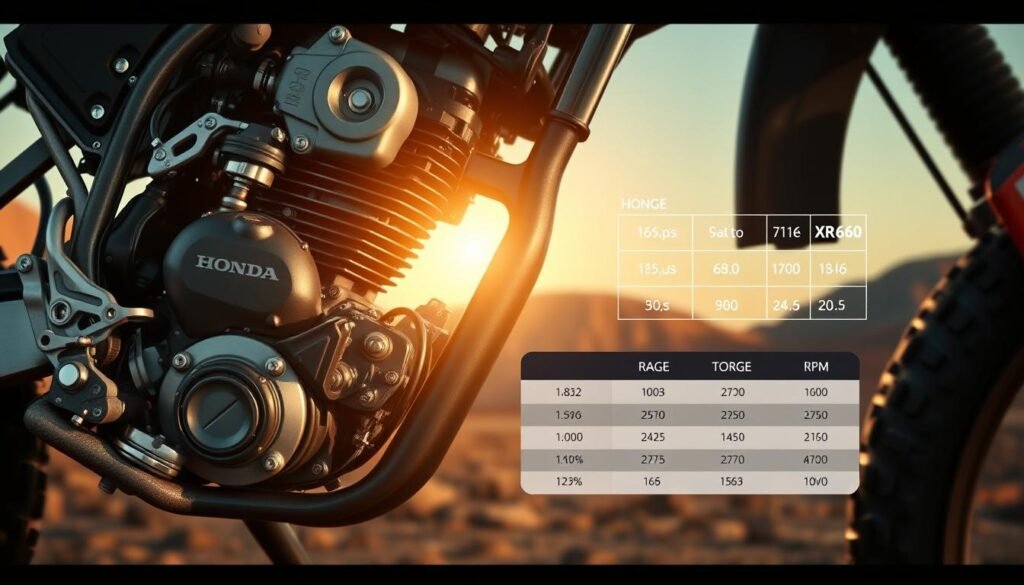
It pulls like a tractor right through the range. There is plenty down low and the drive line never complains.
Unlike the old model, this one likes to rev and keeps pulling up top. That gives you the confidence to wind it on to clear a log or make some ground.
Gearing changes the bike completely. Stock is set up for the road, but a change in sprockets turns it into a trail bike.
| Gearing Setup | Top Speed | Best Use Case |
|---|---|---|
| 15/41 (Standard) | 188 kph | Road riding and commuting |
| 15/50 (Modified) | Reduced | Technical trail work |
| 14-tooth front | Significantly reduced | Dedicated off-road use |
Fuel Use and Range
How much fuel it drinks depends on how you ride it. Work it hard on trails and you might only get 100km a tank.
Take it easy and you can stretch that to about 170km. On test, a three hour loop used about 1.5 gallons.
The 2.8 gallon tank is the limit for real adventure work. Plenty of owners fit a bigger tank to get further between servos.
The bike hooks up well and the power is easy to meter out. The throttle is smooth, so you can keep grip when the ground is loose.
Suspension and Handling
Ride quality is what sorts a good dual-sport bike from an average one. This one soaks up bumps very well.
It turns rough trails into something you can just ride. There is enough travel that big hits stop mattering.
Front and Rear Adjustment
Up front are 46mm cartridge forks with plenty of adjustment. You can set preload, compression and rebound to suit you.
Out back is the Pro-Link, which came off Honda’s motocross bikes. It keeps the back wheel hooked up.
Stephen Greenfield, who won the Australian Safari, rated the way it worked. He said it was a big step on from the old bike.
On the Road and in the Dirt
All that travel lets you keep your speed up over rough ground. Things that slow other bikes down stop mattering.
Some riders find the front pushes wide in rocks. Testers put that down to the steering geometry, not the forks.
For general dual-sport riding it works a treat. Most people leave the settings alone and get on with it.
Cockpit and Comfort
How a bike feels starts with where you sit. This one is set up like a dirt bike, which tells you what Honda was after. It is built for control first and comfort second.
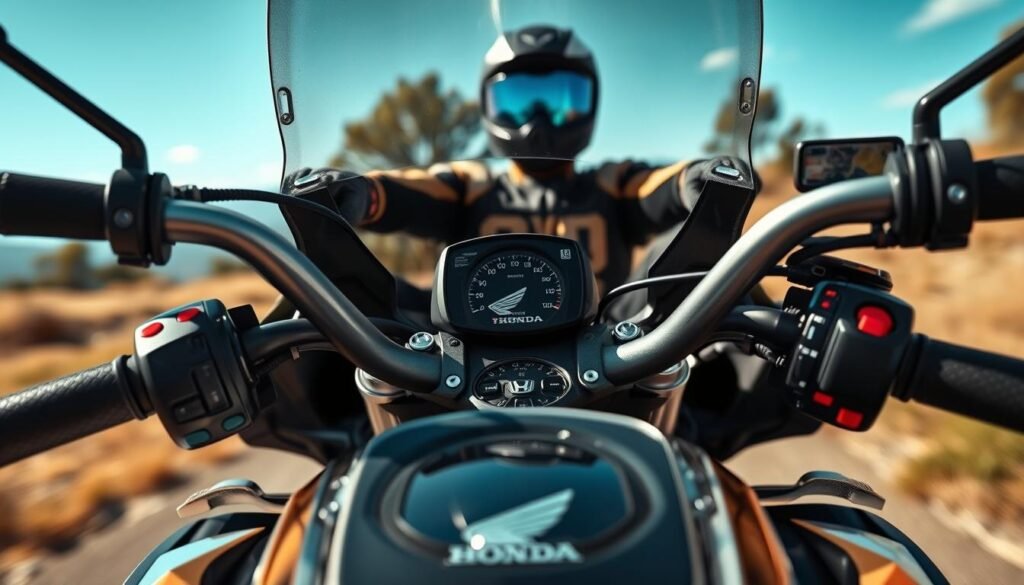
You notice the motocross feel as soon as you get on. The bars, seat and pegs sit close together. That is great in tight going, but it gets cramped on a long run down the highway.
Seat Height and Controls
The 37 inch seat is the main gripe for shorter riders. With a 32 inch inside leg you will be on your toes at the lights. The seat is narrow and the bike balances well, so you get used to it.
The hand controls are well thought out and the levers sit at the right angle. They are smooth and rounded, so your fingers hold up on a long ride. The foot controls are close in to the pegs.
| Component | Design Feature | Rider Impact | Common Modification |
|---|---|---|---|
| Seat | 37-inch height, limited padding | Excellent visibility, limited long-distance comfort | Saddleman or similar aftermarket seats |
| Handgrips | Stock rubber compound | Black residue on gloves, average durability | Renthal Medium Diamond grips |
| Foot Controls | Short reach to pegs | Perfect for standing, tight for cruising | Adjustable lever options |
| Kickstand | Long design | Holds bike nearly vertical, awkward mounting | Usually retained stock |
Sitting up high has its upsides. On the road you can see over traffic. In the dirt you can read the ground well ahead of you.
Some jobs are fiddlier than they should be. To aim the headlight you have to pull the front shroud off. It is a small gripe and it rarely bothers anyone day to day.
Trail and Adventure Riding
Aussie riders want one bike that will do everything, and this one gets close. You see what it is really made of once you push it.
What We Found Off Road
We covered 220 miles of mixed ground on day one and another 160 miles of rough trail after that. It took powerline roads and dry washes without missing a beat.
Deep, loose sand was easier than expected. The weight actually helped, pushing through silty berms that bog down lighter bikes.
Up at 6,000 feet in the Snowy Mountains it still pulled well. The hill climbs went on forever and it dragged itself over every one.
The airbox showed its worth in the water. We dunked it once and not a drop got into the motor. It fired up as soon as the fuel cleared.
What People Change
Riders who do a lot of tight trail work fit lowering links. That drops the seat by up to two inches.
Other common jobs are pulling the emissions gear off and fitting a better pipe. A light battery and grippy rubber like Michelin Enduro Medium tyres both help.
For touring, people fit a bigger tank, a screen and some luggage. That turns it into a bike you can take bush for a week.
It has held up through some very hard testing, and that is why people keep buying them. It goes on working where a bike full of electronics might not.

Touring on One
You only really learn about an adventure bike once it is loaded up and you have a few hundred kilometres to do. We put 750 miles on one through freeways, highways and back roads.
Setting It Up for a Long Trip
The right gear turns this into a proper tourer. A Clarke 4.7 gallon tank takes the range out to about 150 miles, so you stop worrying about fuel.
Comfort gear matters just as much. A Saddleman seat and a Cee Bailey’s screen took a lot of the sting out of long days. Renthal bars on Formatech risers made it easier to sit still for hours.
After 700 miles of steady highway work, we trusted it. It wears you out a bit more than a purpose-built adventure bike, but it walks away from them the moment the road turns to dirt.
Loaded up with Happy-Trails panniers and bags it still handled fine. Thirty mile highway runs were easy enough, though it felt heavy on a weekend blast through the twisties.
Roger Pattison finished the 1994 Nevada Rally on one, which says most of it. Set one up properly and it will go the distance.
Final Word on the Honda XR650
Eight months and more than 3,200km later, this bike has earned its keep. We only found two gripes: the grips mark your gloves, and the carby float stuck after it sat for a while.
Set against how well it holds up, that is nothing. The 650 is the right size, too. It is light enough to handle and still has plenty of go.
You sit up and forward, which feels right on any track. There is stacks of suspension travel and clearance, so rough ground stops being a problem.
Both brakes are up to the job for a bike like this. And with a simple air-cooled motor, an oil change is a ten minute job.
If you want one bike that will do the lot, the XR650 is hard to beat. It is tough, it is good in the dirt, and you get a lot of bike for the money.
Honda XR650 FAQs
Is it hard to start when it is hot?
A big single can be a pain to start hot, because the fuel vaporises in the line. Use the decompression lever properly and stick to the right routine and it will go. Some riders fit a different carby to make hot starts easier.
What range do you get on the stock tank?
About 100km if you are working it hard on trails, and up to about 170km if you take it easy. If you want to go bush for days, fit a bigger tank.
How does the suspension cope on rough trails and at road speed?
Off road it is very good. All that travel soaks up the hits and keeps you in control. On the road it can feel soft if you push hard through corners. Wind on some preload and damping and it settles down.
Is the seat any good for long days?
Not really. It is firm and narrow, and you will feel it after a couple of hours. It is the first thing most people change. A thicker aftermarket seat makes a big difference.
What should I change first for off-road riding?
Knobbly tyres, a bash plate to look after the motor and frame, and hand guards. After that, look at cooling and a change of sprockets if you ride a lot of tight stuff.
Is it too heavy next to a proper enduro bike?
It is heavier, and you feel it in slow, tight going. But the weight sits low, so it is very steady at speed. It is a fair trade if you want a bike that lasts and still rides well on the road.
Are the stock lights good enough for the road?
They are legal, but the headlight is weak at night. Plenty of owners fit a better bulb or a whole new unit so they can see on dark roads.