
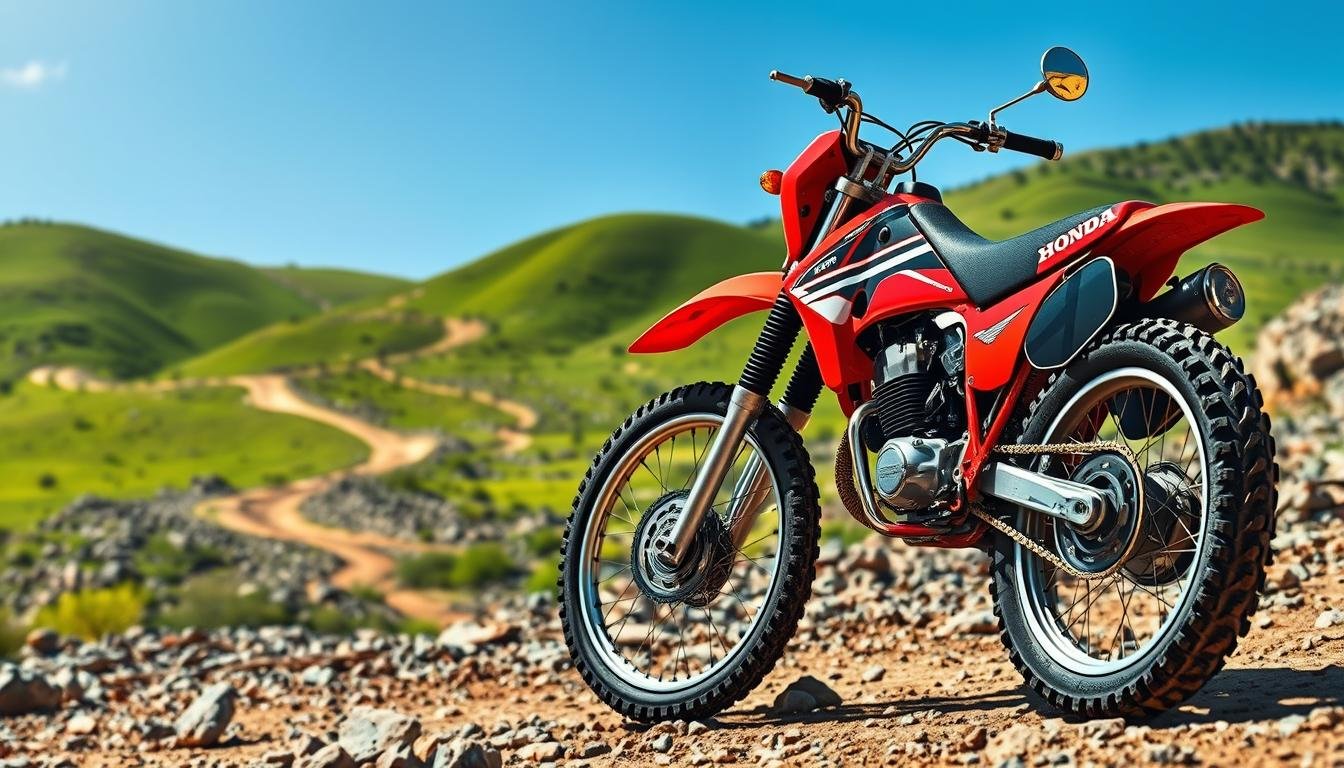
Vic Motorcycle Wreckers · Derrimut, Melbourne
Chasing a part for your Honda XR600? Tell us the make, model and year and we will check what is on the shelf and in the yard.
Tell us about your bike and we’ll get straight back to you.
Honda XR600: Specs, History & Used Parts in Australia
Few machines in the world of off-road riding command the same respect as this iconic dirt bike. For fifteen years, from 1985 to 2000, this model defined what it meant to be a rugged, go-anywhere motorcycle. Its air-cooled, four-stroke engine became a benchmark for simplicity and brute-force reliability.
This bike earned its stripes in the toughest environments, most famously with victories in gruelling events like the Baja 1000. That proven performance cemented its status as a true legend.
Even today, long after production ended, it holds a special place in the hearts of Australian riders. Desert racers, adventure tourers, and vintage enthusiasts all seek out this particular motorcycle. Its appeal lies in a timeless combination of massive torque and uncomplicated toughness.
This enduring bike represents an era where machines were built for genuine hard work and long-distance exploration. It’s a piece of motoring history that continues to captivate riders who value raw capability over modern complexity.
Honda XR600 Key Takeaways
- The Honda XR600R was produced for 15 years, from 1985 to 2000.
- It is renowned for its simple, air-cooled, four-stroke engine and rugged reliability.
- The model earned a legendary reputation through major off-road racing successes.
- It maintains a strong cult following amongst desert racers and adventure riders.
- This motorcycle is prized for its raw performance and go-anywhere capability.
- Its timeless design continues to make it a sought-after machine for enthusiasts.
Overview and Legacy
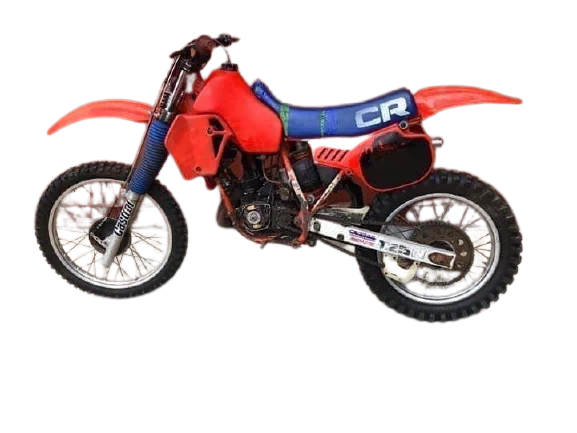
Australian riders quickly recognised something special when this robust enduro bike first appeared in dealerships. The mid-1980s marked a turning point for dirt bikes worldwide.
Introducing a Dirt Bike Icon
The XR600R arrived with a philosophy that would become legendary. It championed simplicity and brute strength over complexity. This approach resonated with riders who valued reliability above all.
Desert racers particularly appreciated its bombproof construction. The machine could withstand punishment that would break lesser motorcycles. Its air-cooled engine became a benchmark for endurance.
“You couldn’t kill it if you tried. That bike just kept going through anything.”
Historical Impact in Off-Road Racing
The model’s racing credentials were established quickly. It dominated major events like the Baja 1000 during the late 1980s. This proven performance changed perceptions about four-stroke capabilities.
The table below shows key racing achievements that cemented its status:
| Event | Years Dominated | Significance |
|---|---|---|
| Baja 1000 | 1988-1992 | Proved four-stroke reliability |
| Baja 500 | 1987-1991 | Desert racing supremacy |
| National Hare & Hound | 1986-1994 | Consistent podium finishes |
This racing success influenced the entire XR series. It demonstrated that simple, rugged design could outperform sophisticated competitors. The legacy continues today among enthusiasts worldwide.
In-Depth Look at the Honda XR600
The specifications sheet tells a compelling story of thoughtful engineering designed for uncompromising off-road performance. This iconic machine balanced power with reliability in a way that few other bikes could match.
Key Features and Specifications
At the heart of this legendary bike beats a 591cc air-cooled single-cylinder motor. The RFVC four-valve design delivered strong low-end torque perfect for tricky terrain. Riders appreciated the immediate throttle response and robust power delivery.
A five-speed gearbox handled power transfer efficiently. The suspension setup featured generous travel to absorb rough tracks. With a dry weight around 280 pounds, the bike felt nimble yet stable.
Manufacturing Era and Collectibility
Production spanned from 1985 to 2000, covering fifteen years of refinement. Each model year brought subtle improvements while maintaining core reliability. This consistency made the bike a trusted companion for Australian adventurers.
Today, well-preserved examples command premium prices among collectors. The limited production run and proven durability make this machine increasingly sought-after. Its simple mechanical nature ensures it remains serviceable decades later.
Engine and Performance Metrics
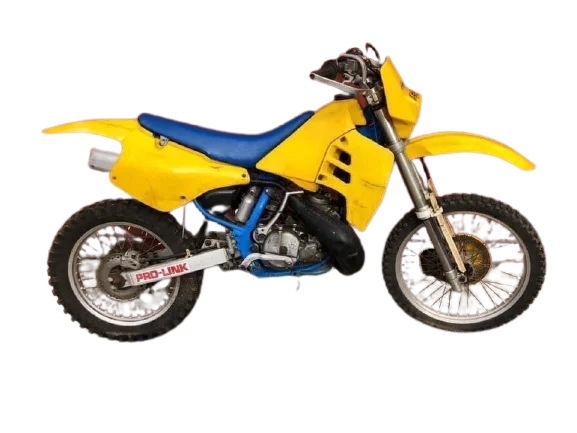
What truly set this machine apart from its contemporaries was the advanced engine technology that powered it through the toughest terrain. The heart of the XR600R represented a significant leap forward in four-stroke design.
RFVC Engine Technology Explained
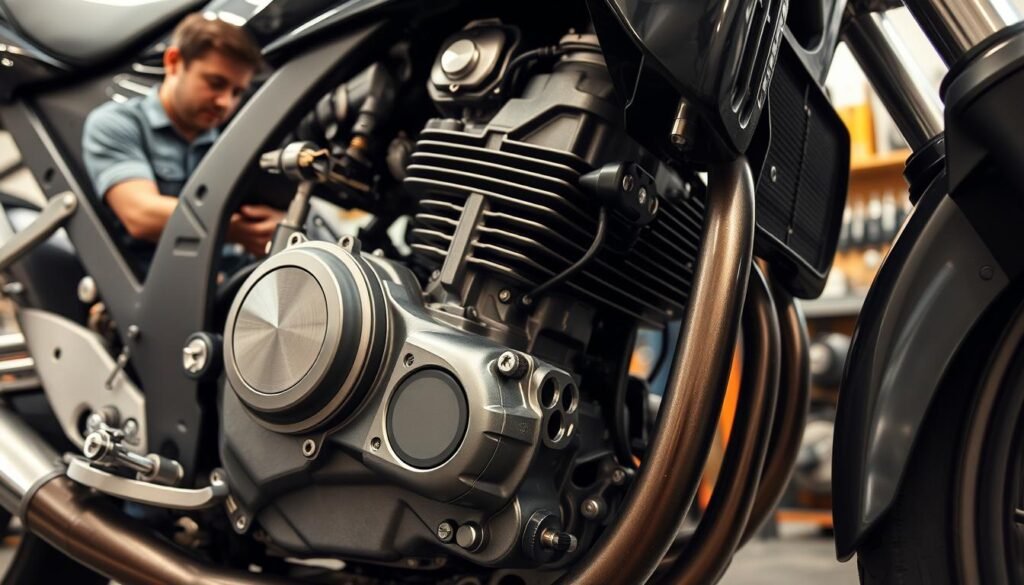
The Radial Four Valve Combustion system was revolutionary for its time. This design positioned four valves radially around the combustion chamber. It optimised airflow for better efficiency.
The 591cc single-cylinder motor used a single overhead cam configuration. Dry sump lubrication ensured reliable oil flow during aggressive riding. This was crucial for demanding dirt applications.
| Specification | Measurement | Benefit |
|---|---|---|
| Displacement | 591cc | Strong torque output |
| Valve Configuration | RFVC 4-valve | Improved combustion |
| Lubrication System | Dry Sump | Consistent oil pressure |
| Power Output | 45-46 hp | Balanced performance |
Power, Torque, and Ride Quality
Power delivery was immediate off-idle with a strong mid-range hit. The engine produced around 45-46 horsepower and 37-38 lb-ft of torque. This kind of power line rewarded committed riding.
The big single-cylinder character provided deep, rhythmic pulses. This translated to predictable power in all conditions. Riders appreciated the mechanical honesty of this approach.
There were no electronics or complex systems. Just reliable power delivered in a satisfying way. This simplicity became the model’s defining characteristic over time.
Suspension, Frame and Chassis Design
Beyond the powerful engine, the XR600’s true off-road prowess came from its carefully engineered chassis components. This bike was built to handle Australia’s toughest terrain with confidence.
Robust Construction for Off-Road Demands
The front suspension featured 43mm conventional forks with adjustable compression and rebound damping. These provided 11.6 inches of travel to absorb harsh impacts.
At the rear, Honda’s Pro-Link system used a single shock with full adjustability. This setup delivered 11.8 inches of travel for exceptional bump absorption.
| Component | Specification | Travel | Adjustability |
|---|---|---|---|
| Front Forks | 43mm Conventional | 11.6 inches | Compression & Rebound |
| Rear Shock | Pro-Link System | 11.8 inches | Preload, Compression & Rebound |
The sturdy steel frame formed the backbone of this durable motorcycle. It was designed specifically for endurance in rough dirt conditions.
Despite weighing over 300 pounds when fueled, the chassis hid its weight well once moving. The 21-inch front and 18-inch rear wheel combination provided stability.
Common stress points include the steering head and subframe mounts. These areas deserve careful inspection on older examples of this legendary bike.
Off-Road Capability and Racing Heritage
The racing pedigree of this legendary machine was forged in the harshest desert competitions around the world. Its reputation as an unstoppable endurance weapon came from dominating gruelling events that tested both machine and rider.
Baja 1000 and Desert Racing Achievements
During the late 1980s and early 1990s, the XR600R became the backbone of Honda’s desert racing programme. It accumulated numerous Baja 1000 and Baja 500 victories against powerful two-stroke competitors.
Legendary riders like Johnny Campbell, known as “The King of Baja” with 11 Baja 1000 wins, became synonymous with this machine’s success. French racer Cyril Neveu, who won the Paris Dakar Rally five times, also inspired special XR600R builds.
“That bike proved torque and reliability could beat raw horsepower in the toughest desert races.”
Real World Performance in Varied Terrains
The same qualities that made the XR600R a desert king translate perfectly to Australian conditions. Its long-travel suspension and sturdy frame handle high-speed sections with confidence.
In technical woods riding and rocky trails, the bike rewards committed riding. The predictable power delivery and balanced chassis work well across multiple terrain types.
This versatility makes the machine equally capable for adventure touring and aggressive trail racing. The proven durability from its off-road racing heritage gives recreational riders lasting confidence.
Common Maintenance, Upgrades and DIY Tips
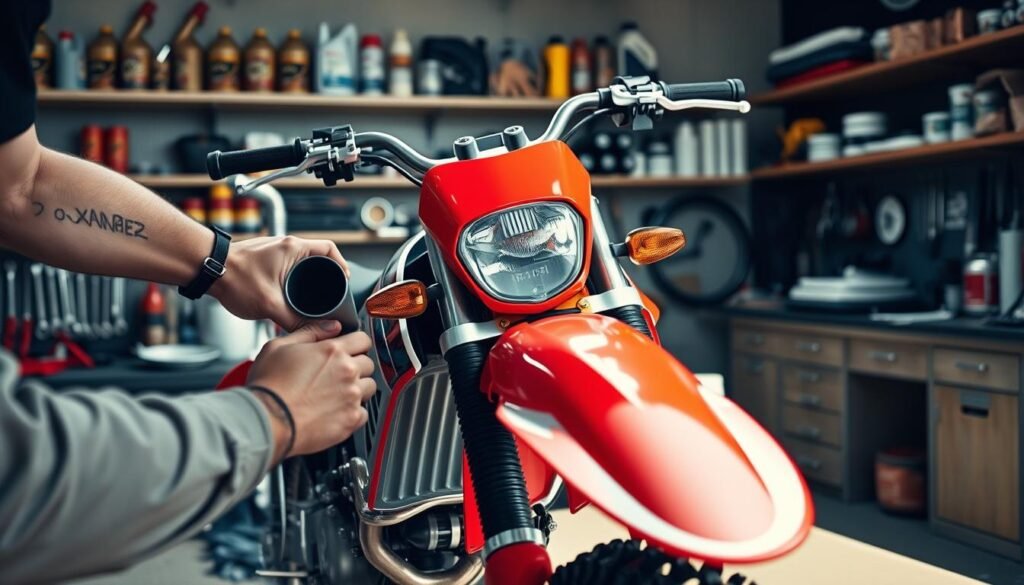
As these legendary motorcycles age, knowing what to check and how to upgrade becomes essential for continued enjoyment. Many people find these bikes rewarding to maintain with basic mechanical skills.
Engine Health and Carburettor Tuning
A healthy XR600R should start in 1-3 kicks when warm. Hard starting often points to valve clearance or carburettor issues.
Listen for excessive valve noise during operation. Regular oil changes are critical for engine longevity over time.
The Keihin carburettor requires proper jetting for smooth performance. Many bikes suffer from poor tuning by previous owners.
Suspension Adjustments and Frame Checks
Inspect fork seals and bushings regularly. Shock rebuilds are common after years of hard riding.
Check the frame for cracks near the steering head. The right side footpeg mounts often show stress from desert use.
Upgrading fork springs and using heavier oil improves handling. These changes make a big difference for modern riding styles.
Aftermarket Modifications for Longevity
Popular upgrades include larger fuel tanks from IMS or Acerbis. A pumper carb conversion solves hot-start issues.
Add a skid plate for protection during rough terrain riding. LED lighting upgrades work well for street-legal conversions.
Avoid poorly wired electrical modifications. Quality aftermarket parts extend the bike’s usable life for many more years.
Comparison with XR650L and XR650R Models
Understanding the Honda XR600‘s place in the model line requires comparing it to its direct successors. These later bikes in the series offer different blends of performance and practicality.
- XR650L: A street-legal dual-sport with an electric starter and softer suspension.
- XR600R: The pure, classic big-bore off-road bike known for its aggressive feel.
- XR650R: A high-performance “Baja missile” with liquid-cooling and an aluminium frame.
Differences in Engine Displacement and Power
The XR650L uses a larger, milder engine designed for emissions compliance. It features a convenient electric starter, making it a user-friendly machine.
In contrast, the XR600R is lighter and delivers a more aggressive power delivery. It remains the preferred choice for serious four-stroke dirt enthusiasts.
The XR650R represents a significant power jump. This bike was the true racing successor in the series.
Ride Characteristics and Practical Usage
The XR650L is heavier and better suited for road use. It’s a practical motorcycle for daily commuting and light trail riding.
The original Honda XR600 feels more nimble and responsive on rough terrain. Its air-cooled simplicity makes it easier to maintain long-term.
For outright speed, the XR650R is the fastest of these four-stroke dirt bikes. However, it demands more skill and maintenance than the classic XR600R.
User Experiences and Collector Insights
Beyond the specifications and racing accolades, the enduring appeal of this big-bore single is best understood through the experiences of its dedicated owners. Their stories highlight why this machine remains a legend.
Riders consistently praise its rugged simplicity and massive torque. These qualities make it ideal for serious adventure travel.
Testimonials from Dual-Sport Riders
Forum discussions are filled with epic tales. One rider completed a journey from the UK to Australia, relying on backroads through Iran and India.
They reported zero mechanical failures. The bike‘s reliability on rough dirt roads was exceptional.
“It just chugs along without complaint. In remote areas, that kind of reliability is everything.”
Preservation Trends in Australia
Australian enthusiasts are actively preserving these motorcycles. The custom scene is particularly vibrant.
Builds range from Baja tributes to modern scramblers. This shows the platform’s incredible versatility.
| Custom Style | Key Features | Popularity in Australia |
|---|---|---|
| Dakar-Inspired | Large fuel tanks, navigation equipment | High |
| Street Tracker | Flat track bars, minimalist bodywork | Medium |
| VMX Restomod | Modern suspension, classic aesthetics | Growing |
Collectors value the mechanical honesty of this classic bike. It represents a pure, rewarding form of riding that many people still seek today.
Final Word on the Honda XR600
The lasting appeal of this classic enduro lies in its perfect balance of raw capability and mechanical simplicity. This dirt bike remains a true legend because it delivers exactly what serious riders need without unnecessary complexity.
Whether tackling harsh desert terrain or navigating technical woods trails, the motorcycle performs with confidence. Its proven racing heritage translates to real-world reliability that modern bikes often lack.
Fifteen years of production created a mature platform with excellent parts availability. The robust suspension and straightforward motor design make maintenance straightforward for owners.
For Australian riders seeking genuine adventure, this four-stroke dirt bike offers timeless character. It represents an era when motorcycles were built to last through countless hours of hard riding.
Honda XR600 FAQs
What years was the XR600 produced?
This legendary four-stroke dirt bike was manufactured from 1985 to 2000. It was a dominant force in off-road racing throughout its production run.
How does the XR600 compare to the XR650L and XR650R?
The XR650L is a street-legal dual-sport with a milder engine, while the XR650R is a more modern, high-performance race machine. The XR600 sits between them, offering raw power without an electric starter.
Is the XR600 a good bike for beginners?
Due to its significant weight, high seat height, and potent motor, it is generally not recommended for new riders. It’s better suited for experienced enthusiasts.
What is the RFVC engine?
RFVC stands for Radial Four-Valve Combustion. This technology, using four valves per cylinder, was key to the bike’s strong power and torque output for its era.
Did the XR600 have any major racing successes?
Absolutely. This machine is famous for its multiple wins in gruelling events like the Baja 1000 and its strong showings in the Paris-Dakar rally, cementing its desert racing heritage.
What are common maintenance issues to look for?
Owners should regularly check the carburettor for clean operation, ensure the suspension linkage is greased, and inspect the frame for any stress cracks, especially near the steering head.
Are these bikes becoming collectible?
Yes, particularly well-preserved or professionally restored examples are gaining interest among collectors, especially in Australia where their tough reputation is highly valued.