Vic Motorcycle Wreckers · Derrimut, Melbourne
Chasing a part for your Honda XR75? Tell us the make, model and year and we will check what is on the shelf and in the yard.
Tell us about your bike and we’ll get straight back to you.
Honda XR75: Specs, History & Used Parts in Australia
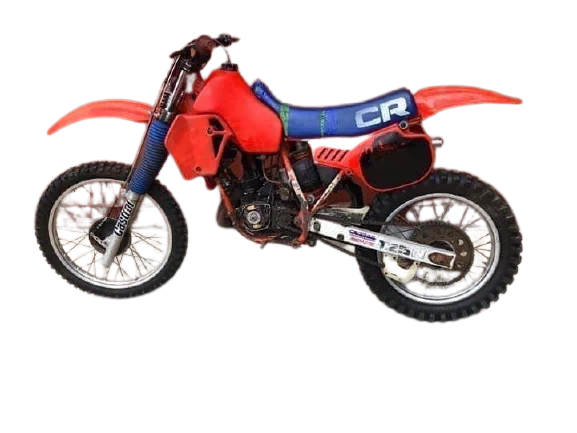
Back in 1973, a legend first kicked into life. This machine wasn’t just another motorcycle; it was a revolution on two wheels for young riders. It arrived as the first purpose-built motocross bike from its manufacturer, hitting the scene even before the famous CR250M Elsinore.
The XR75 came packed with serious gear. Its 72cc four-stroke engine, four-speed transmission, and race-ready features like competition plates set it apart. This little bike was built to win, but its legacy became so much more.
It quickly transcended its racing roots to become the ultimate backyard companion. For decades, it served as a beloved play bike and pit bike across Australia. It introduced a whole generation to the thrill of dirt biking, creating lifelong enthusiasts.
This article dives deep into the history, specs, and lasting impact of this iconic machine. We’ll explore its performance, the vibrant aftermarket culture, and the passionate community that keeps its spirit alive.
Honda XR75 Key Takeaways
- Launched in 1973 as a groundbreaking motocross machine.
- Pioneered the mini bike category with its serious race-ready features.
- Became an iconic play bike and backyard staple for forty years.
- Introduced countless young Australians to off-road motorsport.
- Features a robust 72cc four-stroke engine and four-speed transmission.
- Maintains a strong and passionate community of collectors and restorers.
- Its legacy continues to influence the dirt bike scene today.
Introduction to the Iconic Honda XR75
The early 1970s marked a pivotal moment for youth motorsport. Motocross exploded in popularity, with tracks appearing in communities across Australia and the United States. It felt like every other kid was either riding or dreaming of racing.
This was the perfect time for a dedicated mini racer. The XR75 arrived right when kids were eager to join the action. It offered a serious alternative to earlier models like the Trail 70, which were built more for casual trail rides.
Parents trusted the Honda name for reliability. They felt confident buying this dirt bike as a first racing machine for their children. The sport was also more accessible then, with plenty of places to ride.
This little bike created lifelong motorcyclists. It gave a generation a positive and dependable introduction to racing. For many years, it was the first step into a sport they would love for a lifetime.
The Birth of a Mini Bike Legend
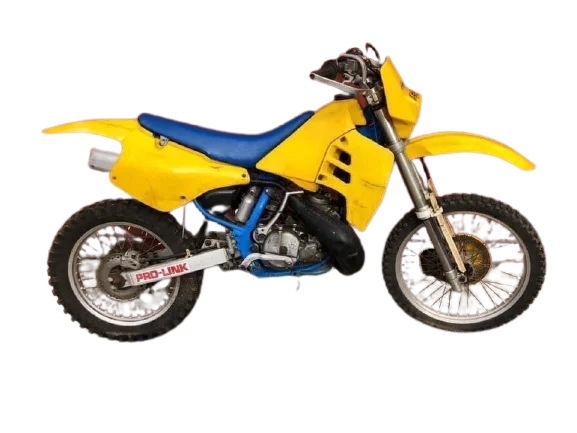
Before the arrival of a dedicated racing mini bike, young enthusiasts had limited options. The motorcycle market for kids consisted mainly of casual trail bikes. These machines were fun but not built for serious competition.
That all changed in the 1973 model year. The new honda xr75 represented a major shift in design philosophy. It was the first machine from the manufacturer built purely for motocross racing.
Earlier models like the Z50 and CT70 served their purpose well. They were perfect for backyard exploring and light trail rides. However, their automatic clutches and folding handlebars showed they were not race-ready.
| Model | Introduced | Primary Use | Key Limitation |
|---|---|---|---|
| Z50 Mini Trail | 1968 | Recreation | Auto-clutch transmission |
| CT70 Trail 70 | 1969 | Trail Riding | Designed for convenience |
| SL70 Motosport | 1970 | Light Off-road | Underpowered, heavy |
The creation of the XR designation signaled a new direction for the brand. Engineers focused entirely on performance for the new honda xr75. This commitment produced a true racing machine that could compete with two-stroke rivals.
Design and Engineering Innovations
Innovative design choices separated this bike from recreational predecessors. Engineers focused on creating a genuine racing machine with serious competition features.
Engine and Performance Specifications
The 72cc four-stroke engine represented a significant upgrade. Its upright cylinder design and 8.8:1 compression ratio delivered impressive performance.
Larger valves and a 19.5mm Keihin carb improved breathing. The high-flow exhaust and less restrictive airbox boosted power output substantially.
A rugged manual clutch and close-ratio four-speed transmission handled racing demands. Straight-cut gears provided exceptional durability under hard use.
Frame, Suspension and Build Quality
The innovative frame used a single downtube and stamped steel backbone. Engineers designed it as a monocoque centre section with the motor acting as a stressed member.
Suspension included non-adjustable telescopic front forks praised for their damping. Popular Cycling magazine called them the best damped units available.
Race-ready features came as stock equipment. The bike included a full skid plate, serrated steel pegs, and competition number plates.
Thoughtful design elements showed careful planning. Dust covers protected levers, and the compact fuel tank maintained balanced weight distribution.
Performance and Reliability in Practice
Riders quickly discovered this machine’s capabilities exceeded expectations. The four-stroke engine delivered smooth, torquey power that outperformed many two-stroke rivals.
On the track, the bike demonstrated surprising speed against competitors like Yamaha’s GT-MX80. Even the first YZ80 only held a brief advantage before the Honda’s superior top-end power took over.
On-Track Performance Insights
The four-speed transmission and excellent clutch kept the engine in its powerband perfectly. This made the bike forgiving for beginners yet satisfying for experienced riders.
Full-size adults could ride this machine around the track without mechanical issues. The handling featured responsive turning and predictable sliding characteristics.
Everyday Riding and Durability
For everyday riding, the XR75 proved remarkably durable. Aside from occasional oil leaks and footpeg mount wear, the bike earned a bulletproof reputation.
This combination of performance and reliability built confidence in young riders. They could push their limits safely, knowing the machine would respond predictably every time.
While two-strokes eventually surpassed its performance, the Honda remained competitive for club racing. Its consistent power delivery made it a favorite for many years.

Honda XR75: Key Features and Benefits
Out of the crate, this bike arrived fully equipped for serious motocross action. It came with proper competition number plates and aggressive knobby tires. A full skid plate protected the vulnerable engine cases from rocks and debris.
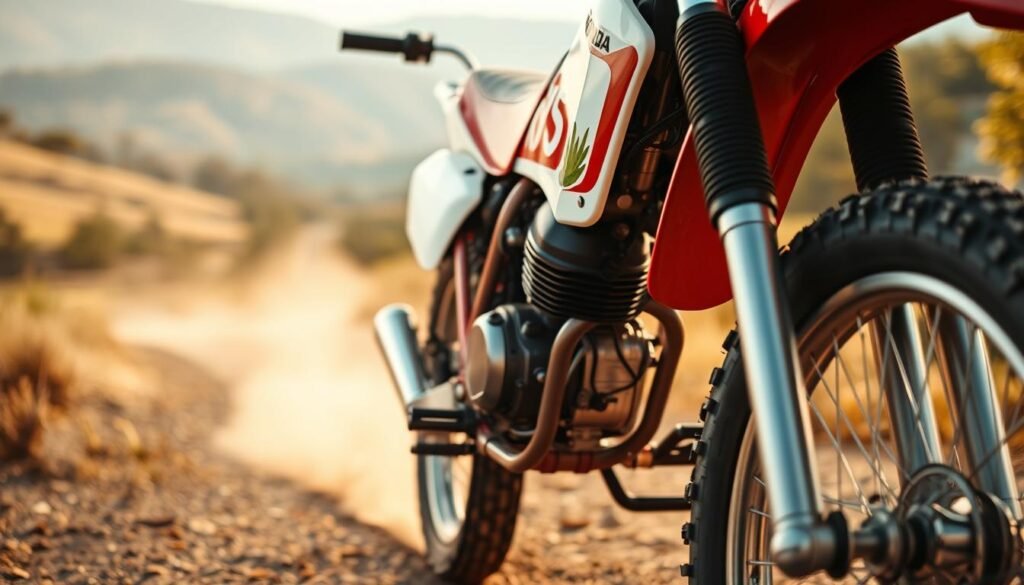
The quality touches showed thoughtful design. Serrated steel footpegs provided superior grip compared to rubber alternatives. Lever-enclosing dust covers kept controls clean from roost and dirt.
| Feature | Racing Advantage | Recreational Alternative |
|---|---|---|
| Footpegs | Serrated steel for grip | Rubber for comfort |
| Fenders | Unbreakable plastic | Chrome that cracks |
| Exhaust | 76dB quiet operation | Loud performance pipes |
| Suspension | Stiff for racing | Soft for trails |
Build quality exceeded expectations for a mini bike. Tight tolerances and clean welds showed professional finish. The suspension was tuned on the stiff side for charging rough tracks.
At only 76 decibels, the stock exhaust allowed backyard riding without disturbing neighbours. This clever thing balanced race performance with community consideration. Every part worked together creating a turnkey package.
The Evolution from Race Bike to Playbike
By the mid-1970s, competitive racing began to favor lightweight two-stroke machines. This shift marked a pivotal time for the four-stroke mini bike market. Manufacturers like Yamaha and Suzuki introduced models that outperformed traditional designs.
The performance gap became evident in magazine comparisons. Testers noted the fun factor but acknowledged the power deficit against newer rivals. This recognition prompted a strategic repositioning of the product line.
Transition in Usage over the Years
Around 1977-78, the marketing focus shifted dramatically. The machine was repositioned from frontline race weapon to recreational playbike. This change reflected the evolving competitive landscape.
Manufacturers attempted to keep pace with technical updates. Increased displacement, revised carburetion, and improved suspension were introduced. However, these enhancements couldn’t bridge the performance gap completely.
| Year | Key Development | Market Position | Competitive Status |
|---|---|---|---|
| 1973-1976 | Primary race bike | Motocross competitor | Market leader |
| 1977-1979 | Technical updates | Transition period | Falling behind |
| 1980 onward | Play bike focus | Recreational market | Niche specialist |
The introduction of purpose-built two-stroke racing bikes in 1980 cemented this transition. Serious racers moved to newer technology while maintaining their four-strokes for casual riding. This dual usage pattern extended the model’s relevance for years.
Backyard tracks and pit areas became the new domain for these versatile bikes. Their reliability and ease of maintenance made them perfect for introducing newcomers to the sport. This evolution ultimately created a forty-year production legacy.
Aftermarket Parts and Customisation Culture
Beyond the factory specifications, a vibrant ecosystem of aftermarket companies emerged to enhance every component. Dozens of specialist manufacturers created performance parts ranging from simple bolt-ons to complete custom frame conversions.
This thriving industry turned mini bike building into a legitimate hobby. Riders and their families invested significant time creating unique machines.
DG Performance and Powroll Upgrades
DG Performance dominated the market with their comprehensive range. They offered everything from gold-anodized monoshock frame kits to complete hop-up parts.
Their products became the standard for serious racers. Each component was designed for maximum performance and durability.
Powroll specialized in engine enhancements. They offered big bore kits from 82cc to 116cc stroker configurations. Complete motor builds transformed stock bikes into powerhouses.
Technical Upgrades and Special Modifications
Boutique manufacturers like Red Line Engineering created premium parts. Their nickel-plated chrome-moly frames paired with Ceriani forks.
Jeff Ward Racing Products (J.W.R.P.) developed complete race packages. Their chrome-moly swingarms and ignition upgrades were highly sought after.
The most impressive custom builds came from dedicated enthusiasts. One legendary project featured a complete single-shock frame built in junior high shop class. These guys spent years perfecting their machines with custom linkages and 70s-style pinstriping.
This culture ensured every component could be upgraded. It created a lasting legacy for the iconic Honda XR75.
Cultural Impact and Motorsport Iconography
The cultural ascent of the XR75 was supercharged by the arrival of a young racing prodigy. Factory rider Jeff Ward became the first mini-class superstar, his flawless style and consistent wins making the bike the aspirational machine for a generation.
Magazines like Minicycle/BMXaction featured Jeff Ward and his machine regularly. This media coverage created a powerful halo effect, inspiring thousands of young riders.
Influence of Jeff Ward and Other Legends
The Ward family’s involvement extended beyond racing. Jeff Ward Racing Products (J.W.R.P.) became a revered brand, producing sought-after performance parts. Their reputation for excellence carried the family name.
One legendary J.W.R.P. bike, known as the “Holy Grail,” is now in the Primm Museum. It features a chrome-moly frame, an 82cc engine, and the famous number 3x.
Brands like DG Performance amplified the motocross culture through smart rider sponsorships. Their logos were everywhere at the time, cementing the xr75‘s iconic status. This era created a lasting legacy that collectors still cherish today.
Collectability and Restoration Trends
What was once considered disposable yard equipment has now become a highly sought-after piece of motorsport history. Enthusiasts like the BBR Motorsports founders processed over two hundred examples over the years, with their backyard shop resembling an XR junkyard at one point.
There was a time when decent examples sold for around one hundred dollars at garage sales. They often needed only basic maintenance like points replacement to run perfectly. Today, restored bikes command thousands of dollars.
The restoration community faces challenges sourcing authentic period-correct parts. Original Honda new-old-stock inventory has largely dried up over time. The hunt for rare components becomes as rewarding as the restoration work itself.
| Restoration Example | Year | Key Features | Current Status |
|---|---|---|---|
| J.W.R.P. Custom | 1975 | Chrome-moly frame | Collector’s item |
| Red Line Engineering | 1976 | Nickel-plated frame, Ceriani forks | Featured in magazines |
| DG Monoshock | 1974 | Gold cad-plated frame | Highly sought after |
| Bone Stock NOS | 1978 | Assembled from new-old-stock parts | Rarity preserved |
Collectors demonstrate remarkable dedication, sometimes rebuilding stolen treasures through trading. The community aspect remains strong, with enthusiasts sharing finds and restoration tips. Each preserved xr75 represents a tangible link to motocross heritage.
Riding Experience: From Backyard Tracks to the Big Circuit
Neighbourhood streets transformed into racing circuits every weekend. Kids created elaborate courses through backyards and vacant blocks. These informal competitions generated excitement that rivalled professional events.
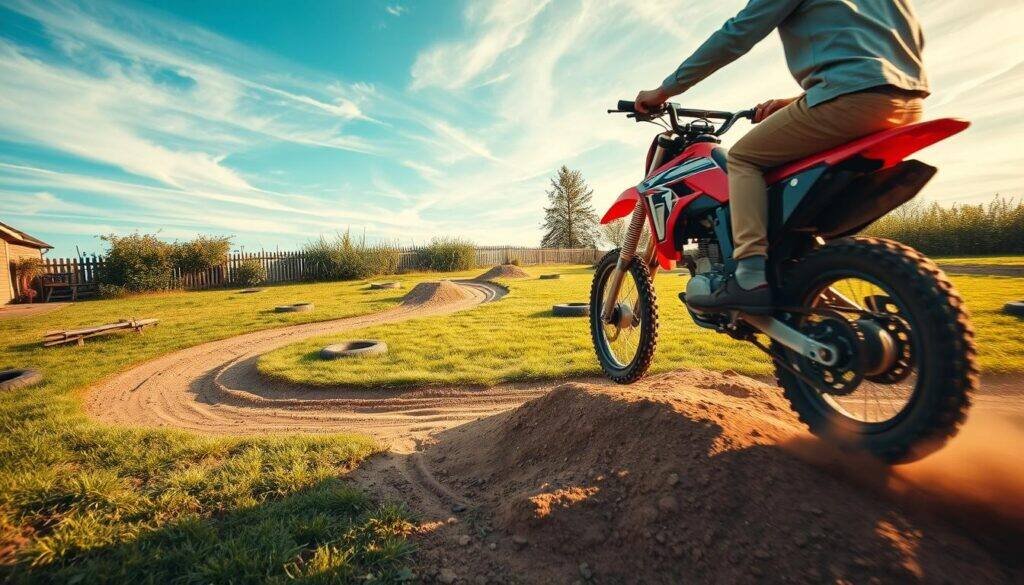
The machine’s handling made it perfect for this environment. Responsive turning and predictable sliding behaviour gave riders confidence. Even beginners felt secure pushing their limits.
Handling and Suspension Excellence
Riders appreciated how the bike wheelied easily over obstacles. It maintained decent stability despite its short wheelbase. Full-size adults could ride it without strange handling issues.
The suspension was tuned for track use rather than light trail riding. Popular Cycling magazine praised the forks as the best-damped units available. This firm setup worked perfectly on rough courses.
| Riding Scenario | Handling Characteristic | Suspension Performance |
|---|---|---|
| Backyard Tracks | Predictable sliding | Firm but controlled |
| Informal Racing | Easy wheelies | Excellent damping |
| Adult Use | Solid feel | No bottoming out |
User Experiences and Nostalgia
One enthusiast’s first XR75 was a 1974 model previously used as a shop technician’s play bike. They modified it with Powroll components including a big bore kit and stroked crank. The engine reached approximately 120cc with significantly better power.
This modification path came with trade-offs. While power increased substantially, reliability decreased compared to the bulletproof stock configuration. Frequent rebuilds became necessary with the enhanced performance.
The only significant weak point was the footpeg mounts directly attached to engine cases. These could strip out if ridden hard without regular inspection. Otherwise, the machine earned its reputation for durability.
This versatile bike accommodated riders of all sizes and skill levels. It created lifelong motorcyclists through positive early experiences. The riding experience remains fondly remembered decades later.
Comparing the Honda XR75 with Contemporary Mini Bikes
The mini bike landscape looked quite different before serious competition models arrived. Early 1960s offerings like the Taco featured primitive designs with rigid frames and lawnmower engines. These basic machines lacked proper suspension and sometimes even front brakes.
Honda’s 1968 Mini Trail 50 marked a significant advancement with its three-speed transmission and front suspension. The real revolution came in 1971 when Yamaha introduced the Mini Enduro. This two-stroke dirt bike featured adult motorcycle components shrunk to kid size.
When the XR75 debuted, it immediately dominated the performance category. This motorcycle outpowered two-stroke competitors like Yamaha’s GT-MX80 and Suzuki’s TM-75. Even the first YZ80 couldn’t match its top-end power during initial testing.
| Model | Year | Engine Type | Key Advantage |
|---|---|---|---|
| Taco | Early 1960s | Lawnmower | Basic affordability |
| Honda Mini Trail 50 | 1968 | Four-stroke | Proper suspension |
| Yamaha Mini Enduro | 1971 | Two-stroke | Full-sized features |
| Honda XR75 | 1973 | Four-stroke | Superior torque |
The fundamental engineering difference lay in four-stroke versus two-stroke design philosophy. Honda’s approach emphasized reliability and broad powerbands. Competitors prioritized peak horsepower and lightweight construction.
By mid-decade, two-stroke mini bikes had caught and surpassed the XR75’s performance. Magazine comparisons by 1977 noted the machine’s fun factor but acknowledged its power deficit against RM80 and YZ80 models. The market segmentation became clear as Honda introduced the CR80R for serious racing while the XR continued serving recreational riders.
Despite falling behind in pure performance, these bikes maintained advantages in reliability and quieter operation. Their forgiving power delivery made them perfect for beginners learning motorcycle skills. This ensured their lasting popularity even as technology advanced.
Historical Significance in the Evolution of Dirt Bikes
While the CR250M Elsinore captured headlines with its two-stroke power, a quieter revolution was unfolding in the mini bike segment. The XR75 arrived at dealers before its more famous sibling, making it technically the manufacturer’s first purpose-built motocross machine.
This timing gave the smaller bike a crucial head start in establishing the brand’s off-road credibility. Both models represented Honda’s commitment to racing, but they targeted completely different market segments during a critical time for motocross expansion.
| Model | Engine Type | Target Market | Production Legacy |
|---|---|---|---|
| XR75 | Four-stroke | Youth riders | Over 40 years |
| CR250M Elsinore | Two-stroke | Adult racers | Limited run |
The fundamental engine design proved extraordinarily durable, powering various displacements for decades. This longevity demonstrated that four-stroke technology could compete successfully in a two-stroke-dominated environment.
The motorcycle’s introduction came at the perfect intersection of growing youth interest and expanding track availability. It served as an accessible gateway that introduced more people to the sport than perhaps any other single model in history.
Collecting and Maintaining a Vintage Honda XR75
Finding the right components for a vintage restoration project can make the difference between a basic rebuild and a show-quality machine. The community of enthusiasts relies on specialised suppliers who understand these classic bikes.
Tips for Maintenance and Restoration
Many older XR75s can be revived with simple maintenance. Replacing the points often brings these bikes back to life. They were known for running like new after basic tune-ups.
For more serious work, specialists like Scott Stewart offer expert machine shop services. They can save original engine cases and perform precision rebuilds. This expertise is invaluable for preserving authenticity.
Working on these projects with your mates makes the process more enjoyable. Sharing knowledge and resources helps everyone achieve better results. The camaraderie among enthusiasts is part of the appeal.
Where to Find Authentic Parts
Vintage Factory, run by Scott Steger, is a premier destination for complete restorations. They offer everything from vintage stickers to streaming videos. Their operation connects the community through swap meets.
Re-MX provides critical detail components that lift a restoration. Correct gas caps, proper levers, and authentic seats make all the difference. These small parts separate amateur work from show winners.
For performance enthusiasts, XR Mini Racer offers reproduction exhaust systems. Powroll has been making these bikes go fast since before the 1970s. Their institutional knowledge spans five decades.
The value of these machines has appreciated dramatically over time. What once sold for around one hundred dollars at garage sales now commands thousands. This reflects their enduring appeal among collectors.
Insights on the Australian Dirt Bike Scene
Across Australian suburbs in the 1970s, the roar of small engines became the soundtrack of weekends. Motocross tracks seemed to appear everywhere, and young riders could ride in places that would later become restricted. This created a golden age for youth participation in the sport.
Australian families embraced the iconic mini bike for the same reasons as their American counterparts. Reliability, affordability, and race-ready capability made it the perfect choice. The Honda name carried weight for its quality engineering.
The unique Australian terrain proved ideal for this machine’s characteristics. Its torquey four-stroke engine handled bush exploration and trail riding with ease. The robust construction stood up to harsh conditions that would challenge lesser bikes.
“We’d build a track on Saturday morning and race all weekend. Every kid in the street eventually got a bike.”
Informal racing culture flourished in backyard circuits and vacant lots. Kids could ride without the formality of organised competition. This freedom created some of the best racing experiences.
| 1970s-80s Access | Current Access | Impact on Culture |
|---|---|---|
| Unrestricted vacant land | Heavily regulated areas | Spontaneous riding sessions |
| Neighbourhood tracks common | Designated facilities only | Community bonding through sport |
| Low-cost participation | Higher entry barriers | Widespread youth involvement |
The XR75 dominated regional communities, creating local support networks. Dealers and enthusiasts shared knowledge and parts across vast distances. This machine facilitated friendships and family bonding through shared dirt bike experiences.
Many current Australian motorsport professionals trace their passion back to childhoods spent on these legendary machines. The red dirt of bush trail rides and the smell of two-stroke oil created lifelong enthusiasts. This little dirt bike left an indelible mark on Australian motorcycling culture.
Experiencing the Honda XR75 in Modern Motorsport
Professional racers often choose nostalgic machines for their pit bike duties. The xr75 remains a popular choice, bringing back memories while serving practical purposes. Teams like BBR Motorsports still work with these classic bikes today.
Vintage racing events have created dedicated classes for classic mini bikes. This allows new generations to experience these machines in competitive settings. The riding experience feels different but equally engaging compared to modern equipment.
When ridden now, the bike performs exactly as it did in 1973. Though the speed might seem modest by today’s standards, the fun factor remains high. It provides that same thrill for riders of all ages.
The powerful nostalgia factor makes these machines conversation starters at modern motocross events. They connect generations of riders through shared experiences. Many professional racers had their first time on bikes like these.
Honda’s mini bike lineage continues through models like the CRF100F. These carry forward the basic concept pioneered decades ago. The evolution shows how enduring the original design proved to be.
Grassroots events inspired by Langtown and ScrewyDilla continue celebrating vintage machines. These informal but competitive formats keep the backyard racing spirit alive. They demonstrate how widespread the riding culture became.
Restored examples serve educational purposes for young riders. They experience the bikes that launched thousands of racing careers. This hands-on history lesson creates new appreciation for motorcycling heritage.
Final Word on the Honda XR75
Few motorcycles have enjoyed such a varied and enduring career as this legendary mini. For over forty years, it served as a race bike, a backyard companion, and a pit bike for pros. Its one true mission was always simple fun.
This machine introduced countless kids to the thrill of riding. Many experienced their first time on a dirt bike aboard this iconic model. It created lifelong enthusiasts and forged bonds between buddies in the shop.
A passionate community of guys and collectors keeps its spirit alive today. They restore stock examples or build custom frame machines with upgraded motors. Every part, from the engine to the suspension, tells a story.
The Honda XR75‘s legacy is secure. Its recipe of reliable performance created a template for success. It remains a cherished piece of motorcycling history.
Honda XR75 FAQs
What years was the Honda XR75 in production?
This iconic mini bike was produced from 1973 through to the late 1970s. It had a solid production run that cemented its status as a classic machine for many enthusiasts.
Was the XR75 suitable for beginners and kids?
Absolutely. It was designed as an entry-level bike, making it a perfect first motorcycle for many young riders. Its manageable power and size helped a generation learn the ropes of riding.
What kind of engine did the XR75 have?
It featured a reliable four-stroke, single-cylinder motor. This engine was known for its durability and ease of maintenance, which was a key part of its appeal for families.
Can you still find parts for a vintage XR75 today?
Yes, there is a strong aftermarket parts scene. Many suppliers specialise in reproduction and performance components, making restoration and customisation projects very achievable.
How does the XR75 compare to other mini bikes like the Z50?
While the Z50 was more of a pit bike or trail companion, the XR75 offered more performance and was better suited for proper track use and motocross training. It was a significant step up in capability.
Did any famous racers start on an XR75?
A> Yes, many professional riders, including motocross legend Jeff Ward, began their careers on this machine. It was a common starting point for future champions honing their skills on backyard tracks.
What are common upgrades for the XR75?
Popular modifications included performance exhaust systems from brands like DG, engine work from Powroll, and suspension improvements. These upgrades enhanced both power and handling for more serious riding.